
Resources
- Getting Started
- Videos
- FAQs
- News & Education
Getting Started
First-time customer?
Follow these steps to ensure the Nanodropper is right for your drops.
Step 1
Step 2
Step 3
Installation & Use
Troubleshooting Tips & Tricks
Troubleshooting: Fluid dripping or clogged tip
Troubleshooting: Where do I put the cap when I
take it off to dispense my eyedrops?
Frequently Asked Questions
Using Your Nanodropper
How do I know which size I need?
We have 2 sizes that fit the vast majority of bottles. Check our compatibility list before purchasing to ensure you get the correct size for your bottle.
What’s the difference between Size 15 and Size 14?
Size 15 and 14 come from the metric measurement (in millimeters) of your eyedrop bottle’s neck, right where the original cap twists on. Our Size 15 (the original Nanodropper size) fits the vast majority of standard eyedrop bottles. We created Size 14 to add coverage for additional 7% of bottles.
How does the Nanodropper save me money?
Nanodropper extends your bottle’s life by 3x! If you are paying at least $10 on your eye medication, the Nanodropper pays for itself. Discover your potential savings by using our savings calculator.
Is Nanodropper covered by insurance?
Insurance coverage for Nanodropper is currently limited, and most patients will need to purchase it out of pocket. However, Nanodropper is eligible for payment with most HSA and FSA cards and is also available through the U.S. Department of Veterans Affairs (VA) for eligible veterans. We are actively working with insurance providers to expand coverage and improve access for patients.
How long does one adaptor last?
The Nanodropper Adaptor will extend the life of your medication bottle by up to 3x! Since Nanodropper is a sterile medical device, it is intended for single-bottle-use. Always install Nanodropper on a new bottle and discard at the end of the bottle life.
I use 2 medications, can I share one Nanodropper for both bottles?
The Nanodropper adaptor is a sterile medical device and is not intended to be taken off the bottle once installed. We recommend using one adaptor per medication to prevent risk of contamination, infection, and injury.
When should I throw away the bottle of eyedrops?
Our recommendation is always to follow the instructions included with your medication and to have a conversation with your eye doctor and follow their instructions. For general guidance, most preservative-containing eyedrop bottles are safe to use up to the printed expiration date on the bottle, as long as you follow the manufacturer’s storage guidelines.
Can I clean and reuse the Nanodropper adaptor?
The Nanodropper adaptor is a sterile medical device and is not intended to be taken off the bottle once installed. Please use one adaptor per medication bottle and discard at the end of the bottle-life. There are no FDA-approved home sterilization methods for medical devices. Reuse of the Nanodropper may lead to contamination, infection, and/or injury.
Is the Nanodropper recyclable?
The cap and base are #2 HDPE plastics. They can be recycled normally with other clean plastics. #2 plastics currently have the highest rate of recycled plastics, and are not one of the “mixed plastics” that actually end up in landfills. Mixed plastics are labeled #3-7 and currently lack the ability to be recycled into new products at the end of their life.
Our sustainability statement: Nanodropper was developed to reduce waste found in current standard-of-care practices in chronic eye disease management, one drop at a time. We are committed to our goal of minimizing waste at every step of the life cycle, from pharmaceutical manufacturing, to single-plastics use, and CO2 emissions. As we continue to grow, sustainability is at the forefront of everything we do.
My tip is clogged or I am experiencing a dribble of medication when I use my drops!
If fluid gets trapped between the original bottle tip and the Nanodropper tip, it can cause two types of problems:
1) With certain types of medications this trapped fluid can clog the tip of the Nanodropper and prevent future drops from coming out, or
2) Sometimes this trapped fluid can create a siphon effect where multiple drops will drip out as soon as the bottle is un capped or turned upside down.
Fortunately, we have an easy fix for both problems! Please follow the steps in this video everytime you take a drop to avoid those problems in the future.
The Science
Is the Nanodropper safe to use?
Yes, the Nanodropper is an FDA-listed, sterile medical device designed for use with prescription and over-the-counter eyedrops. Talk to your doctor to ensure Nanodropper is a good fit for your treatment plan.
Has the Nanodropper been tested?
Yes. The Nanodropper is a clinically-backed, physician-created device. Our studies have been peer-reviewed and published in top academic journals, such as Ophthalmology and the Journal of Cataract and Refractive Surgery.
What is the right dose for eyedrops?
Many studies support that 7-10 microliters is the ideal-sized drop size for the average human eye. Typical eyedrop bottles administer upwards of 50 microliters. The Nanodropper adaptor reduces the size of each drop the ideal 10 microliter range.
Why are smaller eyedrops safer?
There’s a limited space on your eye that can hold extra liquid. After that limit is met, the excess will be blinked out of your eye, absorbed into tissues around your eye, or drained through your tear ducts. The bigger the initial drop, the bigger your eye’s response to the foreign sensation. This means more medication is absorbed into your body, instead of just in your eye as intended by your doctor. This can have what is called “systemic side effects,” where the medication acts as if it was administered through an IV. Because the severity is volume-dependent, the smaller drops have been shown in some clinical studies to be safer.
We’re Here to Support You
(No AI, Only Real People)
Have questions about installation, compatibility, or best practices? Our patient support team answers every message personally.
News & Education
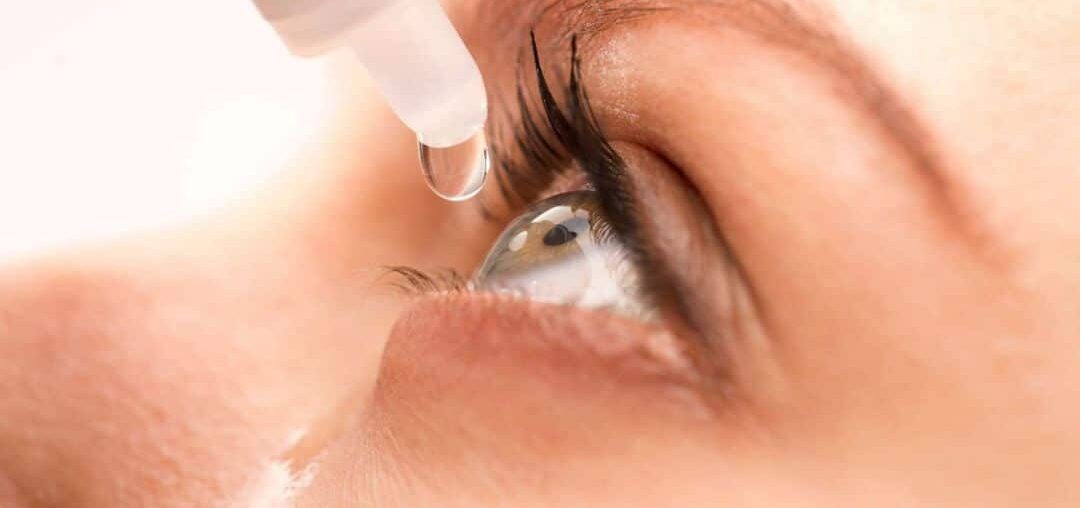
My Hands Shake When Trying to Put Eyedrops In. What do I do?
If you struggle during your daily eye care routine, you are not alone. For many people, administering eye medication is a frustrating, messy, or stressful experience. You tilt your head back, hover the bottle over your face, and hope for the best. But what happens…

What If Your Eye Drops Lasted 3× Longer and Cost 70% Less?
What if your eyedrops lasted three times longer, cost 70% less, and gave you 100 drops per mL? With Nanodropper, it’s not magic, it’s smarter design.
The Hidden Link Between Eyedrop Design and Patient Outcomes 👁️💧
In eye care, it’s not just what’s in the bottle—it’s how the drops are delivered. Discover how microdrops improve safety, comfort, and adherence for patients worldwide.
Elevate Patient Care: Become a Nanodropper Partner Clinic
Nanodropper Partner Clinics offer patients a smarter way to manage their medications with extended bottle life, cost savings, and improved comfort.
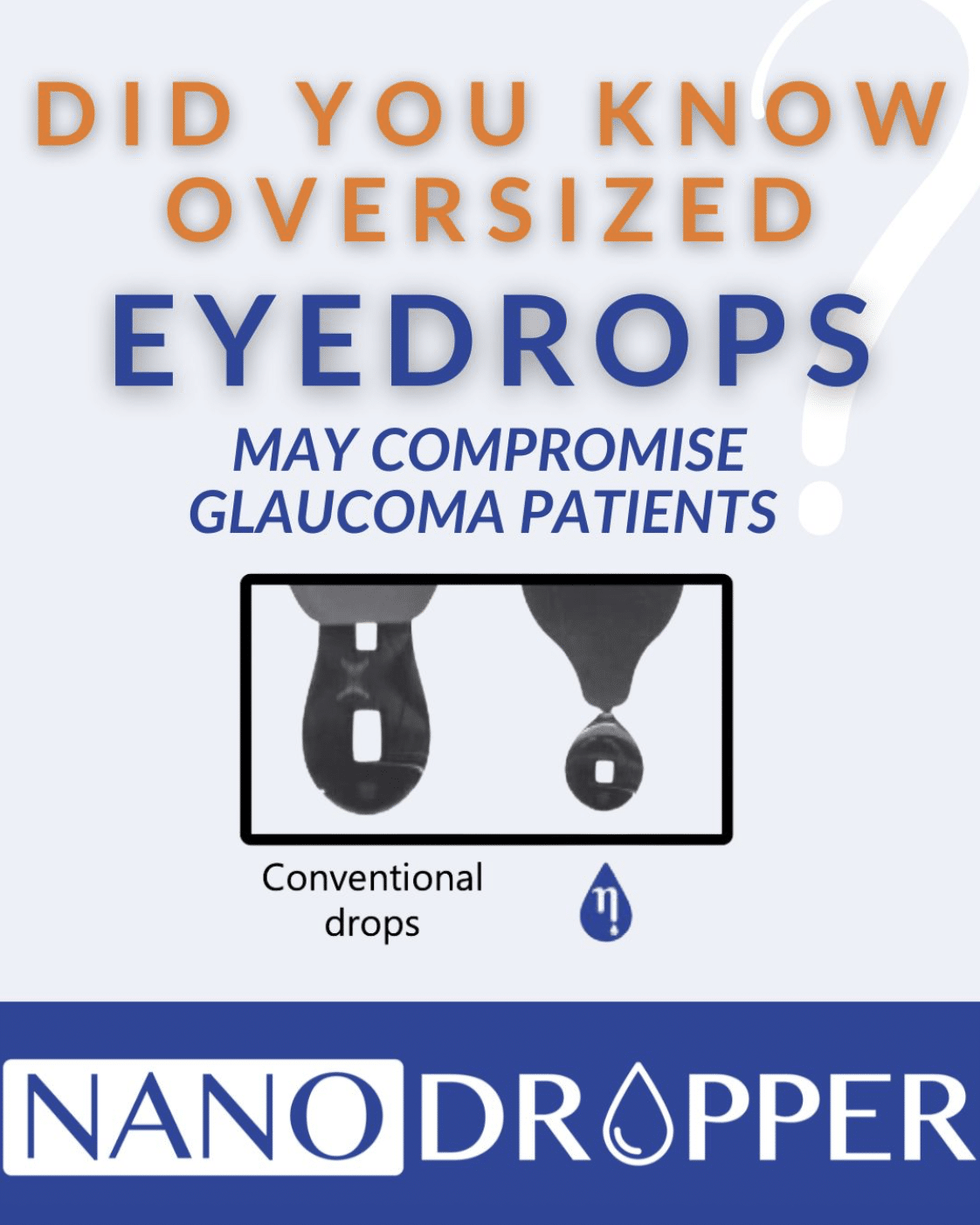
Why Eyedrops Are Too Big: The Hidden Costs of Waste in Vision Care
Most eyedrops are 5× too big for your eye to absorb. Learn how this hidden waste impacts your health, wallet, and environment—and how Nanodropper fixes it.
Making Every Drop Count: Mackenzie Andrews on Disrupting Eyecare
NanoDropper Co-Founder Mackenzie Andrews joins The Executive Room Podcast to share how a student-led idea evolved into a globally expanding medtech company focused on equity, access, and innovation in eye care. From leadership lessons to international growth, Mackenzie offers an honest look at disrupting healthcare—one drop at a time.